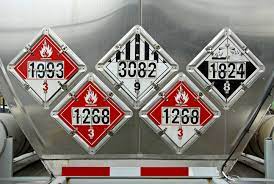
1. Introduction to hazmat road trucking safety regulations
The transportation of hazardous materials (hazmat) by road is a critical concern for the safety of both drivers and the general public. As technology continues to advance, so does the need for updated regulations and safety protocols. In the United States, the Department of Transportation (DOT) is constantly working to improve hazmat road trucking safety through new regulations and guidelines. This comprehensive guide will explore the future of hazmat road trucking safety, focusing on the upcoming 2023 regulations and the impact they will have on the industry. Whether you are a driver, a fleet manager, or simply interested in the topic, this guide will provide invaluable insight into the future of hazmat road trucking safety.

2. Understanding the importance of adhering to hazmat regulations
2. Understanding the Importance of Adhering to Hazmat Regulations
Adhering to hazmat regulations is of utmost importance when it comes to ensuring the safety of everyone involved in the transportation of hazardous materials. These regulations are not just arbitrary rules; they are put in place to prevent accidents, minimize the risk of exposure to dangerous substances, and protect the environment.
1. Safety of Drivers and the General Public: Hazmat regulations are designed to safeguard the safety of drivers, their passengers, and other road users. When hazardous materials are not handled and transported properly, they can pose significant risks to human health and safety. Failure to comply with regulations can result in accidents, explosions, fires, and other hazardous incidents that can cause serious injuries or even fatalities.
2. Protection of the Environment: Hazardous materials have the potential to cause severe environmental damage if mishandled during transportation. Leakages, spills, or improper disposal can contaminate soil, water bodies, and air, leading to long-term environmental consequences. Adhering to hazmat regulations ensures that proper containment, handling, and disposal procedures are followed, minimizing the negative impact on the environment.
3. Legal Compliance: Failure to adhere to hazmat regulations can have legal consequences. The Department of Transportation (DOT) and other regulatory bodies have strict enforcement measures in place to ensure compliance. Violations can result in hefty fines, penalties, and even criminal charges. By following the regulations, companies and individuals can avoid legal troubles and maintain a good standing within the industry.
4. Reputation and Trust: Adhering to hazmat regulations is not only about compliance; it is also about maintaining a positive reputation within the industry. Companies that prioritize safety and follow the regulations are seen as responsible and reliable partners. This can lead to increased trust from clients, employees, and other stakeholders, ultimately contributing to business growth and success.
5. Continuous Improvement: Hazmat regulations are not static; they evolve and improve over time. Adhering to these regulations allows companies to stay abreast of the latest safety practices and technology advancements. By continuously improving their processes and investing in training and education, companies can proactively mitigate potential risks and maintain a culture of safety within their organizations.
In summary, adhering to hazmat regulations is crucial for ensuring the safety of drivers, preventing environmental damage, complying with the law, maintaining a positive reputation, and embracing continuous improvement. Understanding and embracing the importance of these regulations is the key to a responsible and successful hazmat road trucking industry.

3. Exploring the current state of hazmat road trucking safety
The hazmat road trucking industry plays a critical role in the transportation of hazardous materials. As technology and regulations continue to evolve, it is essential to stay updated on the current state of hazmat road trucking safety. This section will examine some key factors that contribute to the safety measures and practices in this industry.
1. Advanced Training and Certification Programs: One of the significant developments in hazmat road trucking safety is the implementation of advanced training and certification programs. These programs ensure that drivers and personnel involved in the transportation of hazardous materials have the necessary knowledge and skills to handle these substances safely. Training covers various aspects, including proper handling techniques, emergency response procedures, and understanding the potential risks associated with different hazardous materials. By investing in comprehensive training programs, companies can significantly reduce the chances of accidents and ensure the safety of their drivers and the general public.
2. Technological Advancements: Technology continues to play a vital role in enhancing hazmat road trucking safety. GPS tracking systems, telematics, and real-time monitoring solutions enable companies to track their vehicles, monitor driving behavior, and ensure compliance with safety regulations. Additionally, the use of advanced sensors and monitoring devices helps detect leaks, spills, or any other potential hazards in real time, allowing for prompt action and minimizing the risk of accidents. The integration of technology not only improves safety but also provides valuable data for analysis and preventive measures.
3. Industry Collaboration and Regulatory Framework: The hazmat road trucking industry is governed by a robust regulatory framework that sets guidelines and standards for safe transportation. Regulatory bodies collaborate with industry stakeholders to address safety concerns, develop best practices, and enforce compliance. This collaboration ensures that all players in the industry adhere to the highest safety standards, leading to a safer overall transportation system. Furthermore, industry associations and organizations promote safety awareness campaigns, knowledge sharing, and continuous improvement initiatives, fostering a culture of safety within the industry.
4. Risk Assessment and Management: Hazmat road trucking companies are increasingly adopting comprehensive risk assessment and management strategies. These strategies involve identifying potential hazards, evaluating risks, and implementing proactive measures to mitigate them. By conducting thorough risk assessments, companies can identify potential vulnerabilities in their operations and implement tailored safety protocols. This proactive approach allows them to address potential risks before they escalate, minimizing the chances of accidents and ensuring the safety of their drivers, the general public, and the environment.
5. Emergency Response Preparedness: Hazmat road trucking safety also encompasses emergency response preparedness. Companies invest in developing robust emergency response plans, conducting drills, and training personnel for various potential scenarios. Having an effective emergency response plan in place ensures that immediate action can be taken in case of accidents, spills, or other hazardous incidents. Properly trained personnel can mitigate the impacts of such incidents and minimize the risk to human health, safety, and the environment.
In conclusion, the current state of hazmat road trucking safety is characterized by advanced training and certification programs, technological advancements, industry collaboration, and regulatory frameworks, comprehensive risk assessment and management strategies, and emergency response preparedness. These factors collectively contribute to a safer hazmat road trucking industry, reducing the likelihood of accidents, protecting human health and safety, and preserving the environment. By embracing these practices and staying up-to-date with the latest safety measures, the hazmat road trucking industry can continue to evolve and ensure a responsible and secure transportation system for hazardous materials.

4. The upcoming changes in hazmat road trucking safety regulations
4. The upcoming changes in hazmat road trucking safety regulations
As technology and industry practices continue to evolve, so do regulations surrounding hazmat road trucking safety. It is crucial for companies in this industry to stay informed about the upcoming changes in safety regulations to ensure compliance and maintain a high standard of safety. This section will highlight some of the anticipated changes in hazmat road trucking safety regulations for the near future.
1. Enhanced Training Requirements: As hazardous materials and their associated risks become more complex, the need for comprehensive training becomes even more crucial. It is anticipated that upcoming regulations will focus on enhancing training requirements for drivers and personnel involved in hazmat road trucking. This may include additional training on specialized handling techniques, emergency response protocols, and the safe transportation of specific hazardous materials. By ensuring that all individuals involved in hazmat road trucking have the necessary knowledge and skills, these regulations aim to minimize the risk of accidents and protect public safety.
2. Stricter Enforcement of Compliance: While regulatory frameworks are already in place to guide hazmat road trucking safety, there is a growing emphasis on stricter enforcement of compliance. Regulatory bodies are expected to increase their efforts to monitor and enforce adherence to safety regulations. This may include more frequent inspections, audits, and the implementation of stricter penalties for non-compliance. By holding companies accountable for their safety practices, these upcoming changes aim to create a safer environment for hazmat road trucking and protect the general public.
3. Technology Integration and Reporting: Technology continues to play an essential role in enhancing safety in the hazmat road trucking industry. Upcoming regulations are expected to encourage companies to integrate advanced technology systems into their operations. This may include the use of telematics, GPS tracking, and real-time monitoring solutions to ensure compliance with safety regulations and improve overall safety performance. Additionally, regulations may require companies to maintain detailed records and provide regular reports on their safety practices, including incident reporting and preventive measures taken. By leveraging technology and promoting transparency, these regulations aim to drive continuous improvement in hazmat road trucking safety.
4. Environmental Considerations: Hazmat road trucking safety regulations have traditionally focused on protecting human health and safety. However, there is a growing recognition of the importance of preserving the environment in these regulations. Upcoming changes are expected to incorporate stricter measures to prevent environmental damage caused by accidents or mishandling of hazardous materials. This may include requirements for spill response plans, environmental impact assessments, and the use of eco-friendly practices in hazmat transportation. By considering the environmental implications of hazmat road trucking, these regulations aim to create a more sustainable and responsible industry.
5. International Harmonization: Hazmat road trucking often involves the transportation of materials across international borders. To ensure consistency and improve safety standards, upcoming regulations may focus on harmonizing hazmat road trucking safety requirements across different jurisdictions. This harmonization aims to eliminate discrepancies in safety practices and streamline international hazmat transportation. By aligning regulations and promoting global cooperation, these upcoming changes aim to create a safer and more efficient international hazmat road trucking network.
In conclusion, the future of hazmat road trucking safety regulations will likely involve enhanced training requirements, stricter enforcement of compliance, technology integration and reporting, environmental considerations, and international harmonization. These changes aim to improve safety standards, protect public health and the environment, and create a more efficient and responsible industry. By staying updated on these upcoming changes, companies in the hazmat road trucking industry can ensure compliance, maintain a competitive edge, and contribute to a safer transportation system for hazardous materials.
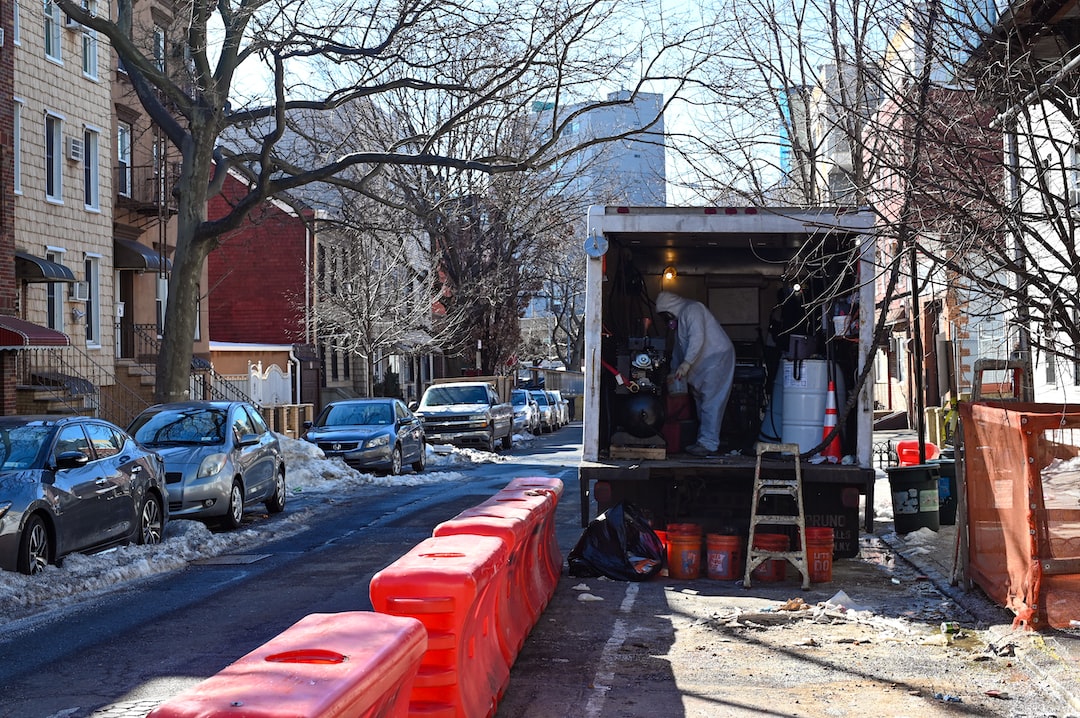
5. Implications and challenges for trucking companies
5. Implications and Challenges for Trucking Companies
The anticipated changes in hazmat road trucking safety regulations outlined in the previous section will have significant implications for trucking companies operating in this industry. While these changes aim to improve safety standards and protect public health and the environment, they also present certain challenges and considerations that companies need to address. In this section, we will explore some of the implications and challenges that trucking companies may face as a result of these upcoming regulations.
1. Training and Compliance Costs: One of the key implications of enhanced training requirements is the potential increase in training and compliance costs for trucking companies. These companies will need to invest in comprehensive training programs for their drivers and personnel involved in hazmat transportation. This may involve hiring specialized trainers, developing training materials, and conducting regular training sessions. Additionally, companies may need to invest in new technologies and systems to ensure compliance with safety regulations, such as telematics and GPS tracking solutions. These additional costs can put a strain on the financial resources of trucking companies, especially smaller businesses.
2. Stricter Enforcement and Penalties: The emphasis on stricter enforcement of compliance and the implementation of stricter penalties for non-compliance can pose challenges for trucking companies. Companies will need to ensure that they have robust safety practices, documentation, and records in place to demonstrate compliance during inspections and audits. Failure to comply with safety regulations can result in fines, penalties, and even the suspension or revocation of operating licenses. Trucking companies will need to prioritize safety and compliance in their operations to avoid costly penalties and maintain their reputation within the industry.
3. Technology Integration and Reporting: While technology integration can improve safety performance and compliance, it also presents challenges for trucking companies. Implementing advanced technology systems may require significant investments in hardware, software, and training. Companies will need to ensure that their existing infrastructure can support these systems and that they have the necessary IT expertise to implement and maintain them effectively. Additionally, the requirement to maintain detailed records and provide regular reports on safety practices can be time-consuming and resource-intensive. Trucking companies will need to develop efficient processes and systems for data collection, analysis, and reporting to meet these regulatory requirements.
4. Environmental Considerations and Sustainability: The incorporation of stricter measures to prevent environmental damage in hazmat road trucking safety regulations can introduce challenges related to sustainability. Companies will need to adopt eco-friendly practices and technologies to minimize their environmental footprint. This may involve investing in alternative fuel vehicles, implementing spill response plans, and conducting environmental impact assessments. While these measures contribute to a more sustainable industry, they can involve additional costs and operational complexities for trucking companies. Companies will need to balance their safety and environmental responsibilities while remaining economically viable.
5. Compliance with International Standards: The focus on international harmonization of hazmat road trucking safety requirements can present challenges for trucking companies involved in cross-border transportation. Companies will need to navigate and comply with potentially different regulations and standards across jurisdictions. This may involve adapting their operating practices, training programs, and documentation to meet the specific requirements of each country. Trucking companies will need to stay updated on international regulations and maintain effective communication and cooperation with regulatory bodies and partners in different countries to ensure compliance and efficiency in international hazmat transportation.
In conclusion, the anticipated changes in hazmat road trucking safety regulations have both implications and challenges for trucking companies. While these changes aim to improve safety standards and create a more efficient and responsible industry, companies will need to navigate increased training and compliance costs, stricter enforcement and penalties, technology integration and reporting requirements, environmental considerations and sustainability, and compliance with international standards. By proactively addressing these challenges and adapting their operations, trucking companies can ensure compliance, maintain a competitive edge, and contribute to a safer and more sustainable transportation system for hazardous materials.

6. Preparing for the future: Steps to ensure compliance with 2023 regulations
6. Preparing for the Future: Steps to Ensure Compliance with 2023 Regulations
With the upcoming changes in hazmat road trucking safety regulations scheduled for 2023, it is crucial for trucking companies to start preparing now to ensure compliance with the new requirements. Taking proactive measures will not only help companies meet regulatory standards but also minimize disruptions to their operations and maintain a competitive edge in the industry. Here are some steps that trucking companies can take to prepare for the future:
1. Stay Informed: It is essential for trucking companies to stay updated on the latest developments and updates regarding the 2023 regulations. This includes monitoring regulatory websites, attending industry conferences, and joining relevant associations or forums where discussions on hazmat transportation safety regulations take place. By staying informed, companies can anticipate changes, understand the implications, and plan their compliance strategies accordingly.
2. Conduct a Gap Analysis: A thorough gap analysis of current practices and procedures will help identify areas where the company needs to make adjustments to comply with the new regulations. This analysis should encompass various aspects, such as training programs, documentation, equipment, and operating procedures. By identifying these gaps, companies can prioritize their efforts and allocate resources effectively to address any shortcomings.
3. Develop Comprehensive Training Programs: Training plays a crucial role in ensuring compliance with hazmat transportation safety regulations. In preparation for 2023, trucking companies should invest in comprehensive training programs for their drivers, personnel, and management teams. These training programs should cover all aspects of the new regulations, including handling hazardous materials safely, emergency response procedures, and the proper use of safety equipment. By providing thorough training, companies can minimize risks and ensure that everyone involved in hazmat transportation understands their roles and responsibilities.
4. Review and Update Procedures and Documentation: Trucking companies should review their existing procedures and documentation to align them with the new regulations. This includes updating standard operating procedures, safety manuals, and documentation related to training, inspection, and record-keeping. By ensuring that all procedures and documentation are up to date, companies can demonstrate compliance during inspections and audits.
5. Invest in Technology and Tools: To meet the requirements of the 2023 regulations, trucking companies may need to invest in new technologies and tools. This could include telematics systems, GPS tracking solutions, and safety equipment that meet the updated standards. By leveraging technology, companies can enhance their safety practices, ensure accurate data collection and reporting, and improve overall operational efficiency.
6. Foster a Culture of Safety and Compliance: Compliance with hazmat road trucking safety regulations starts with cultivating a culture of safety within the organization. Trucking companies should prioritize safety in their operations, promote open communication about safety concerns, and encourage employees to report any safety issues or violations. By fostering a culture of safety and compliance, companies can ensure that everyone is actively working towards maintaining a safe and secure environment for hazmat transportation.
7. Build Relationships with Regulatory Bodies: Establishing strong relationships with regulatory bodies and authorities is crucial for trucking companies to navigate the regulatory landscape effectively. Companies should seek opportunities to engage with regulatory bodies, participate in industry working groups, and provide input during the development of new regulations. By building these relationships, companies can stay informed about any changes, seek clarification when needed, and demonstrate their commitment to compliance.
By following these steps and taking a proactive approach to prepare for the future, trucking companies can ensure compliance with the 2023 hazmat road trucking safety regulations. By investing in training, updating procedures and documentation, leveraging technology, fostering a culture of safety, and building relationships with regulatory bodies, companies can position themselves for success in a changing regulatory landscape. Compliance with the new regulations not only helps protect public health and the environment but also reinforces the reputation of trucking companies as responsible and reliable partners in the transportation of hazardous materials.